
 PHILIPPREINHARD.COM
The conversion deadline is December 31, 2026 – Three out of four measuring devices can already be read remotely – Monthly consumption information only reaches around one third of households.
Leinfelden-Echterdingen, October 2026. Time is running out for landlords and property managers: By December 31, 2026, existing, non-remotely readable devices for recording heating and hot water consumption must generally be retrofitted or replaced. This is stipulated by the Heating Costs Ordinance. The conversion has already taken place in a large portion of the existing equipment, but is not yet complete. According to the German Association for Energy and Water Data Management (BWE), on average, more than three out of four meters in the equipment inventory of its member companies are remotely readable. This figure makes it clear: Many owners and property managers must act now to ensure the conversion can be planned for by the end of the year. "Remote meter reading is not a project that landlords should postpone until the last minute," says Oliver Bartsch, Head of Billing at Minol Messtechnik W. Lehmann GmbH & Co. KG. "Those who review their inventory now and commission the conversion can organize the dates for the equipment change and informing the tenants in good time. Those who only act shortly before the deadline must expect that necessary appointments can no longer be reliably coordinated."
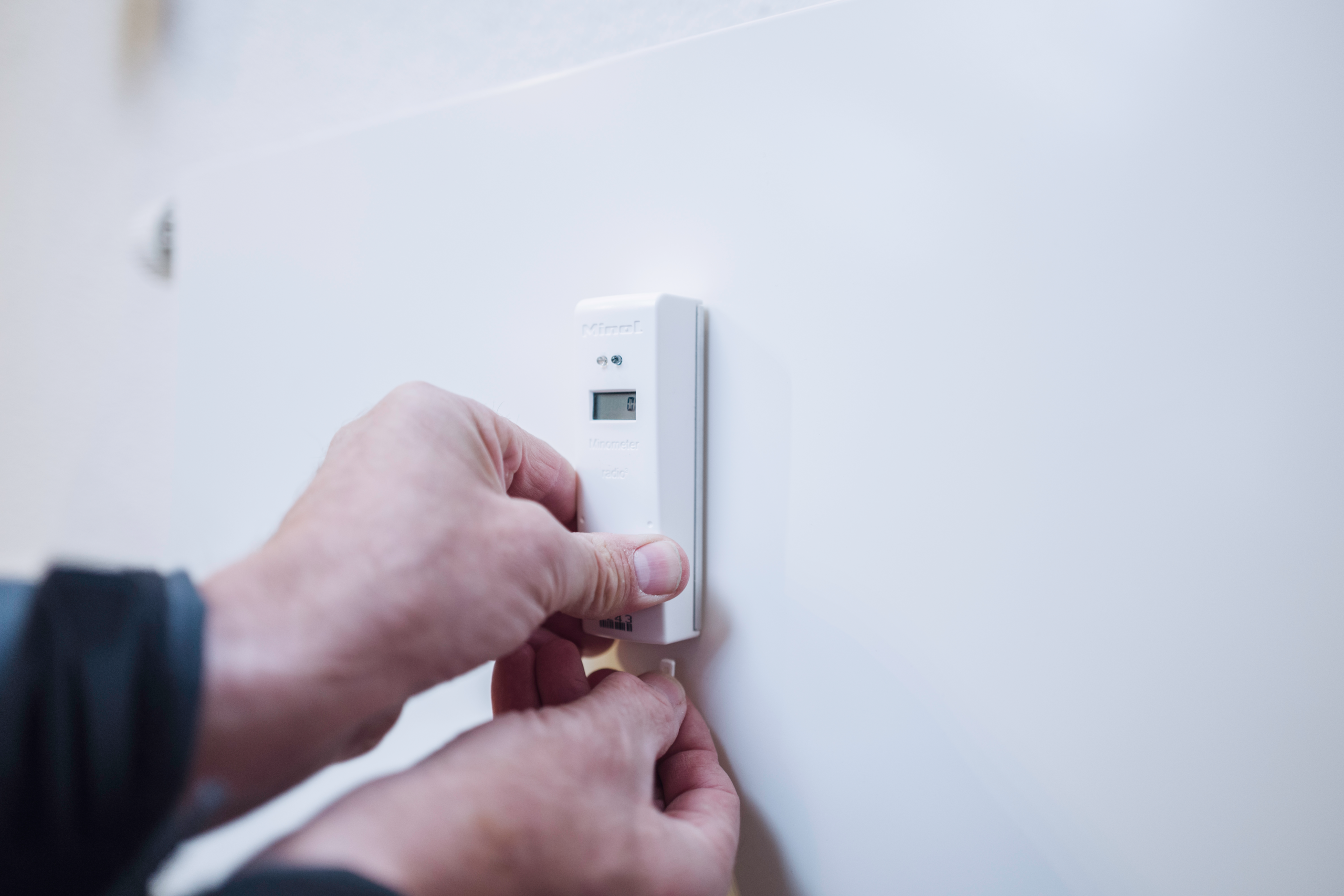
Remote meter reading provides access to monthly consumption data.
With the conversion, residents no longer need to visit their apartments for annual meter readings: The heat cost allocators on the radiators, as well as the heat and hot water meters, can be read remotely without requiring access to the apartment. Consumption data is thus available digitally throughout the year. This creates the technical basis for the interim consumption information that landlords and property managers are required to provide to tenants at least once a month. According to the German Heating Costs Ordinance (Heizkostenverordnung), interim consumption information has been mandatory since January 1, 2022, if remotely readable metering equipment is installed. It supplements the annual heating bill but does not replace it. "According to our estimates, only about a third of households in Germany currently receive such monthly information. Yet it is a key benefit of remote meter reading: It allows tenants to track their consumption from month to month, adjust their settings if necessary, and thus save energy, emissions, and costs. We provide the consumption information via a dedicated app," explains Bartsch.
Failure to meet a deadline can trigger rights to reduce payments.
Those who neglect the conversion risk financial consequences. According to the Heating Costs Ordinance, users can reduce their share of heating and hot water costs by three percent if the required remote meter reading is not available. A right to a three percent reduction can also arise if the interim consumption information is not provided, not provided on time, or not provided completely. Landlords not only fulfill legal requirements with remote meter reading and the integrated meter reading system (uVI), but they can also use the monthly consumption data for better management of their properties. "With online services like our eMonitoring, landlords and property managers can see how consumption in a property develops over the course of the year and where noticeable deviations occur," says Bartsch.
About Minol
Minol Messtechnik W. Lehmann GmbH & Co. KG is a leading global solutions provider for the housing and real estate industry. Minol offers innovative solutions for heating cost billing, minimizing operating costs and managing properties digitally, sustainably, and in compliance with legal requirements. In Germany alone, Minol processes approximately 1,7 million bills annually. With solutions for the digitalization of real estate and offerings in the areas of electromobility and energy management, Minol supports the housing and real estate industry in the future-proof modernization of properties.
Founded more than 70 years ago, the family-run company is headquartered in Leinfelden-Echterdingen and operates around 20 service branches throughout Germany. Minol is part of the international Minol-ZENNER Group, which employs more than 4.500 people worldwide and is represented in over 100 countries with subsidiaries and sales partners.
More information at www.minol.de and www.minol.de/unternehmensgruppe/
Press contact:
 InsideCreativeHouse – Adobestock
Always up to date
* required fields