
 Getty Images
Many tenants and homeowners ask themselves, "Why are my heating costs so high?" when they look at their heating bill . In fact, the answer often lies not in faulty meters , but in their own heating habits. Building characteristics and the heating technology in the building also have a significant impact. The good news: In many cases, consumption can be significantly reduced with simple measures.
Common causes and how you can reduce your consumption
1. Incorrect heating behavior
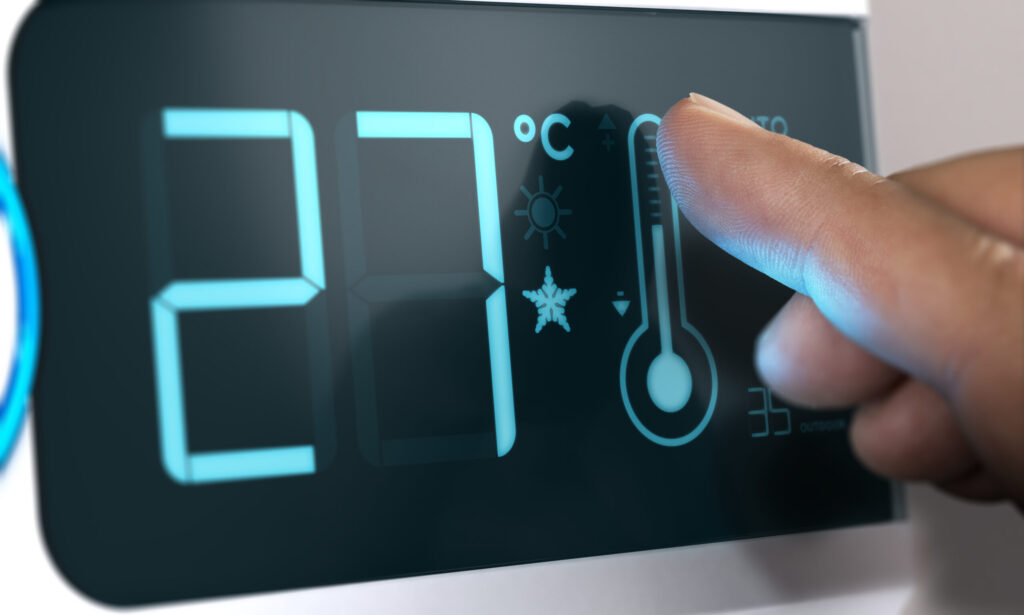
Why are my heating costs so high? The most common reason is inefficient heating habits. Many people keep their rooms constantly heated at a high setting or forget to turn down the heating when airing out the rooms. Heating unused rooms or constantly changing the temperature can also significantly increase energy consumption. Remember: even just one degree less room temperature saves around 6% on heating energy.
What you can do:
- Set the thermostat to only the medium setting (e.g., setting 3 for 20–21 °C)
- Radiators in rarely used rooms are only set to frost protection.
- Turn the heating off completely when ventilating.
space | Standard indoor temperatures according to DIN EN 12831 | Optimal values for comfort and energy savings |
|---|---|---|
Living room | 20 ° C | 20 ° C |
Bedroom | 20 ° C | 16-18 ° C |
Childrens Furniture | 20 ° C | 20 ° C |
pool | 24 ° C | 22 ° C |
Kitchen Style | 20°C | 18 ° C |
hallways | 15 ° C | 15 ° C |
 4th Life Photography – stock.ado – © by Dariusz T. Oczkowicz
2. Incorrect ventilation
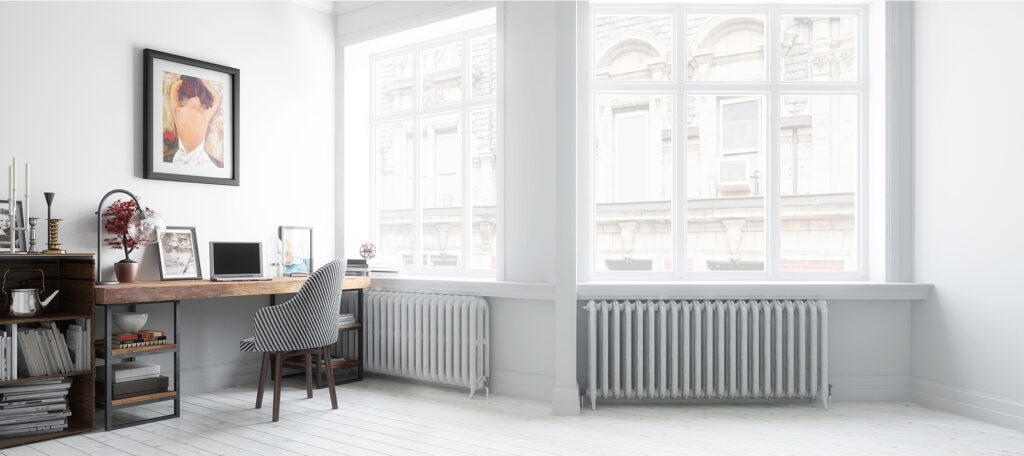
Constantly ventilating with a tilted window leads to enormous heat loss because the walls cool down – this wastes energy unnecessarily. Proper, thorough ventilation, on the other hand, provides fresh air without significant heat loss.
What you can do:
- Ventilate by opening windows wide for 5-10 minutes, 3-5 times a day.
- Cross-ventilation is best (open opposite windows simultaneously).
- Avoid tilted windows
 avirid – stock.adobe.com
3. Concealed radiators
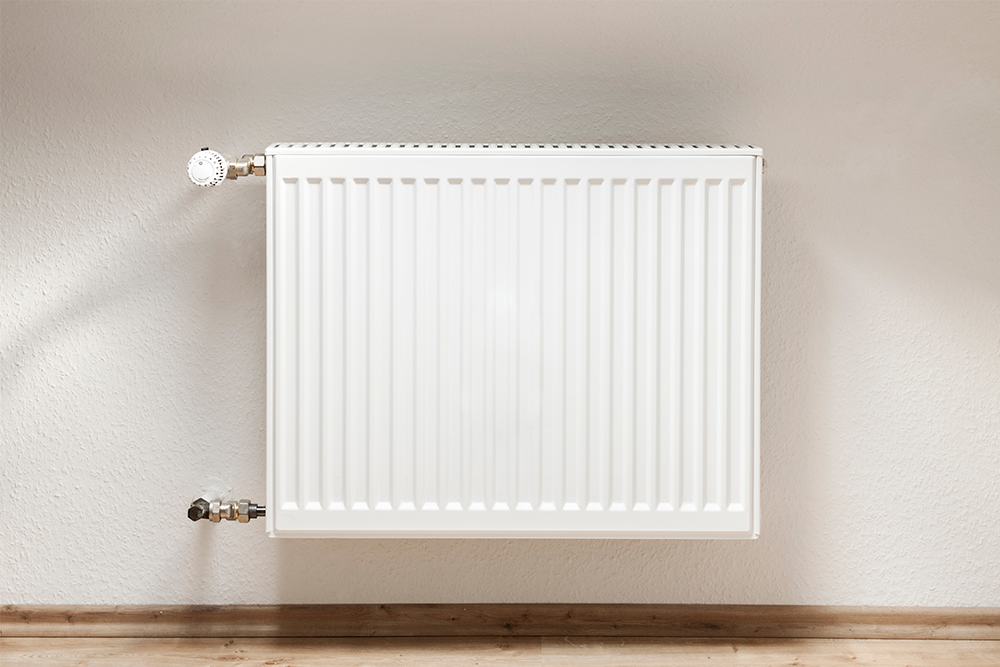
Radiators that are covered by furniture or curtains cannot effectively distribute heat throughout the room. As a result, more heating is required to achieve the same temperature.
What you can do:
- Keep curtains, sofas or cabinets away from radiators (at least 30 cm distance)
- Bleed radiators regularly
 Olivier Le Moal – stock.adobe.com – ©Olivier Le Moal – stock.adobe.com
4. Dry indoor climate
Dry air is perceived as cooler by the body, even if the room temperature would actually be sufficient. This often leads to unnecessary reheating.
What you can do:
- Keep the humidity in the room at approximately 40–60% (e.g., with houseplants or humidifiers).
- Use thermometers and hygrometers to monitor temperature and humidity.
 Fotolia
5. Unfavorable location within the building
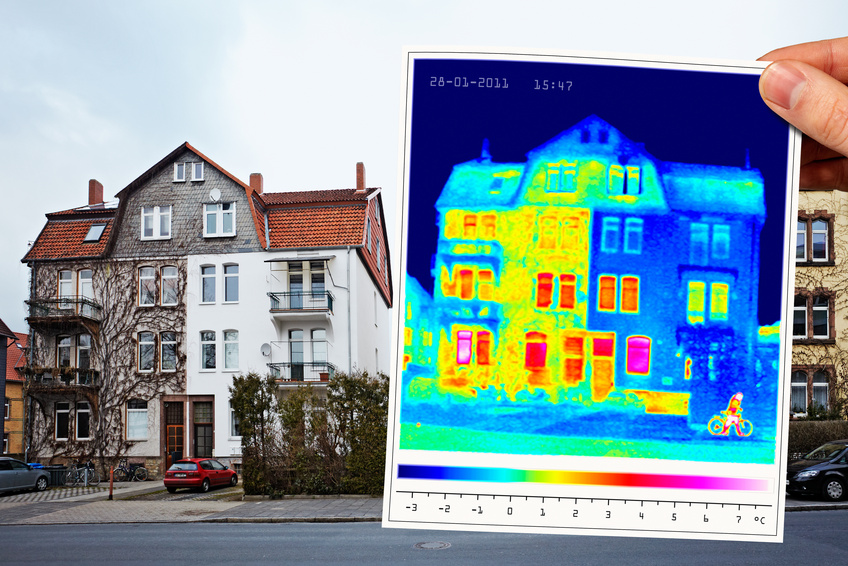
Your apartment's location within the building has a greater impact on your heating needs than many people realize. Attic and ground-floor apartments lose more heat than apartments in the building's core. Exterior walls also contribute to heat loss.
Things you should be aware of:
- These structural factors can influence your heating costs without you having to do anything wrong.
- Distribution keys in the heating cost statement can partially compensate for this.
 Fotolia
6. Heat loss through neighboring apartments
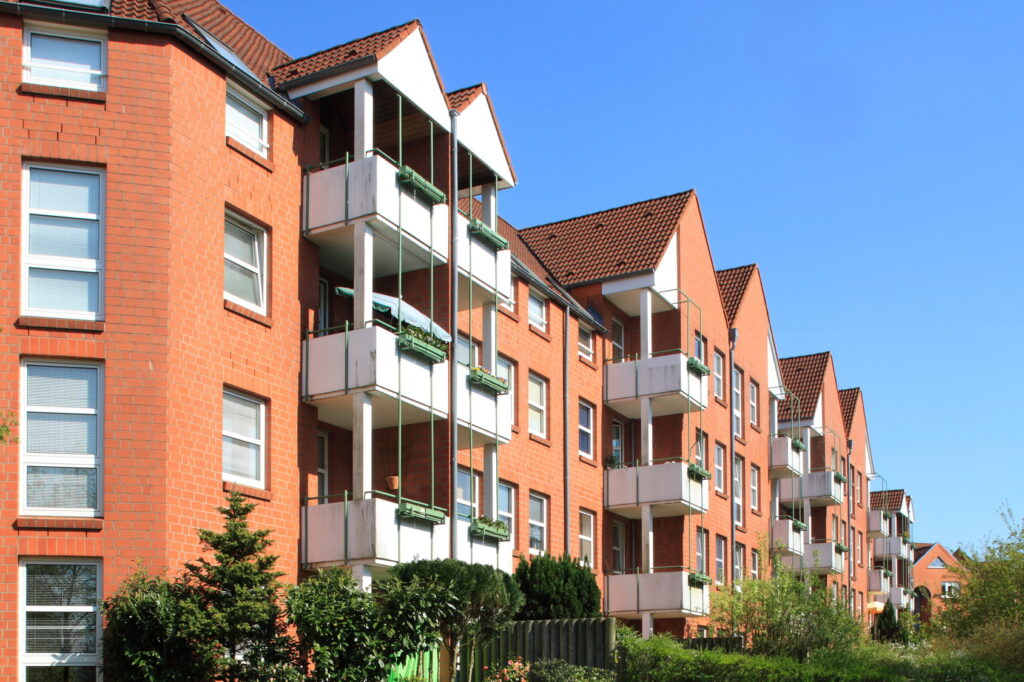
If adjacent apartments are not heated or only minimally heated (e.g., because they are vacant), your apartment has to use additional energy to maintain its own temperature. This heat transfer increases your energy consumption.
What you can do:
- Unfortunately, there isn't much information available: you might want to talk to the property management company about vacant apartments.
7. Outdated heating technology or poor insulation
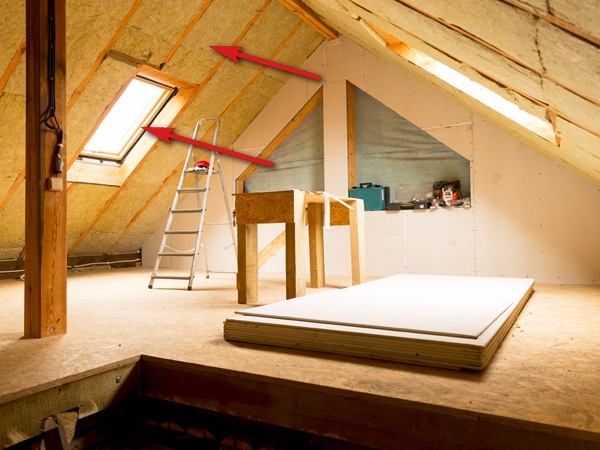
Old heating systems often operate inefficiently. Poorly insulated buildings also lose heat quickly. These structural factors directly impact your heating costs.
What you can do:
- Check if the heating system has been modernized (e.g. condensing boiler technology, hydraulic balancing)
- If you own your property: check for energy-efficient renovation options.
- For rented apartments: Talk to the landlord about modernization.
 iStock
8. Regional or climatic differences
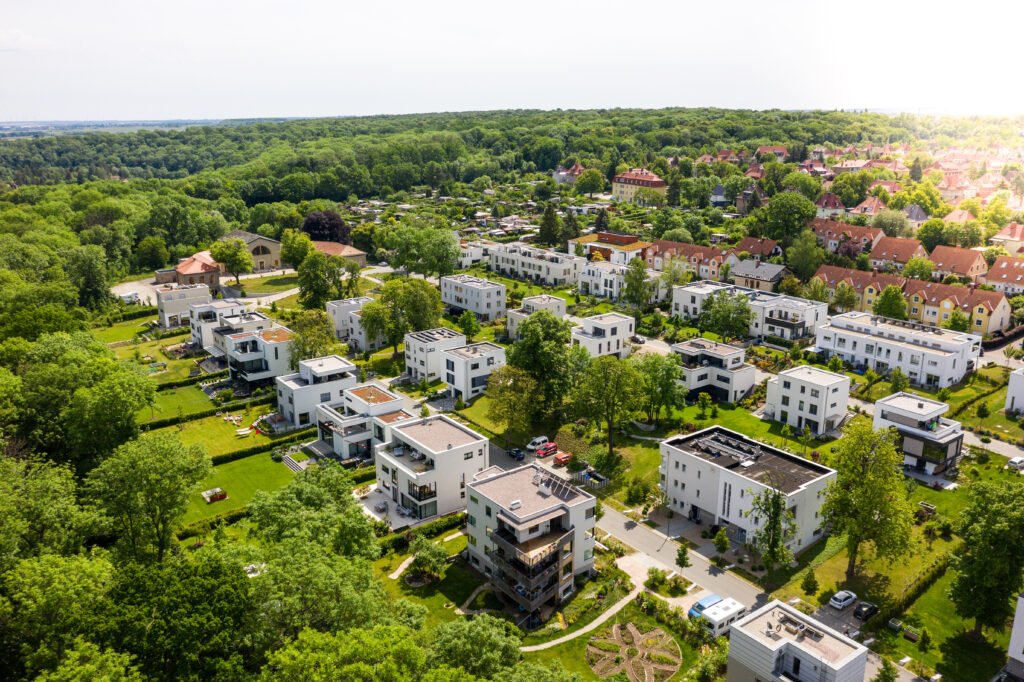
Heating usage varies across Germany. In colder regions or at higher altitudes, heating requirements are higher – even with the same heating habits.
Examples:
- Significantly less heating is used in Freiburg than in Upper Bavaria.
- A detached single-family house requires more heating energy than a terraced house.
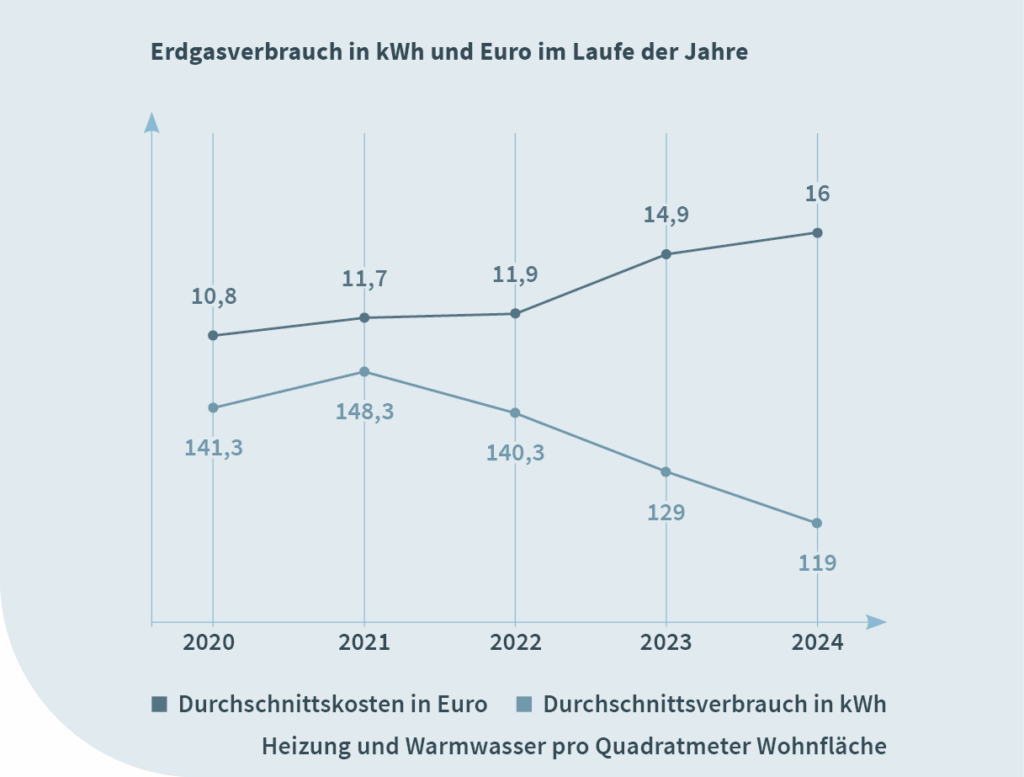
9. Price increases for energy and water
Even if your consumption remains constant, your heating costs can rise – due to higher prices for gas, oil, district heating, or water. These developments are often difficult to predict.
What you can do:
- Regularly compare providers
- Monitor energy consumption and adjust if necessary.
 Tippapatt – istock.com
10. Breakdown by consumption and basic costs
Many people wonder: "Why are my heating costs so high even though I haven't used much?" The reason often lies in the allocation key. Between 30% and 50% of heating costs are distributed regardless of consumption – for example, according to living space.
What you can do:
- Optimize heating behavior
- Clarify which distribution key applies in the building (it's stated in the billing statement).
Conclusion: Many causes can be influenced.
If you're wondering, "Why are my heating costs so high?" , then it's worth taking a closer look at your heating habits, ventilation, apartment location, technology, and price trends. Many factors can be influenced, and with a little attention, you can also reduce your heating costs.
 InsideCreativeHouse – Adobestock
Always up to date
* required fields