
 Tippapatt - istock.com
Discrepancies in heat meter readings repeatedly cause uncertainty. This becomes particularly noticeable when the sum of the individual apartment meters does not match the reading of the main meter. This is not a measurement error, but a technical and systemic phenomenon. The following article explains how such discrepancies arise, why they are unavoidable, and their significance for heating bills – without any disadvantage to individual users.
What are the causes of measurement differences?
When heat consumption in buildings is measured using heat meters, it frequently happens in practice that the sum of the individual apartment meter readings does not exactly match the reading of the main meter. These discrepancies in heat measurement are technically unavoidable and have nothing to do with faulty devices. Causes include different installation locations, distribution losses, and time-shifted readings.
Typical causes for measurement differences
One of the main causes lies in the position of the counters:
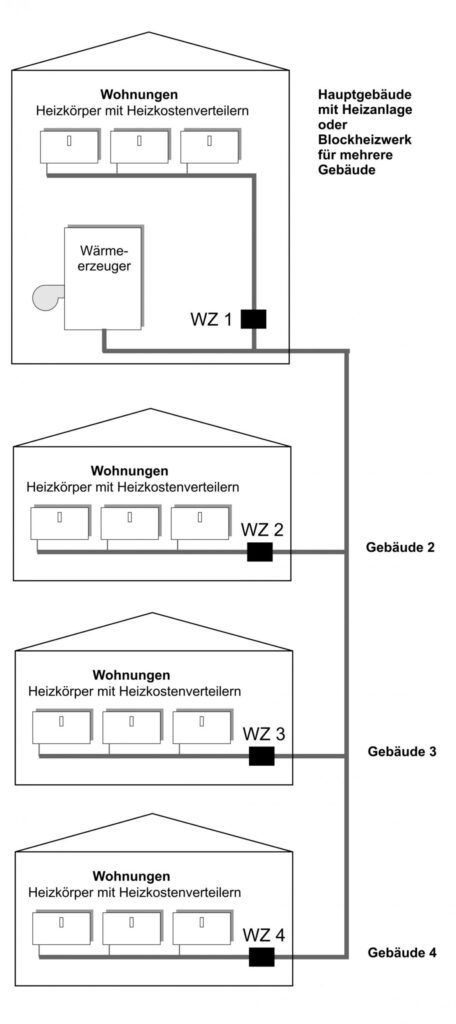
- The main meter measures the total amount of heat supplied by the energy provider directly at the building's entry point.
- The apartment meters only record consumption after the heat exchanger – that is, only after some of the heat can already be lost through pipes.
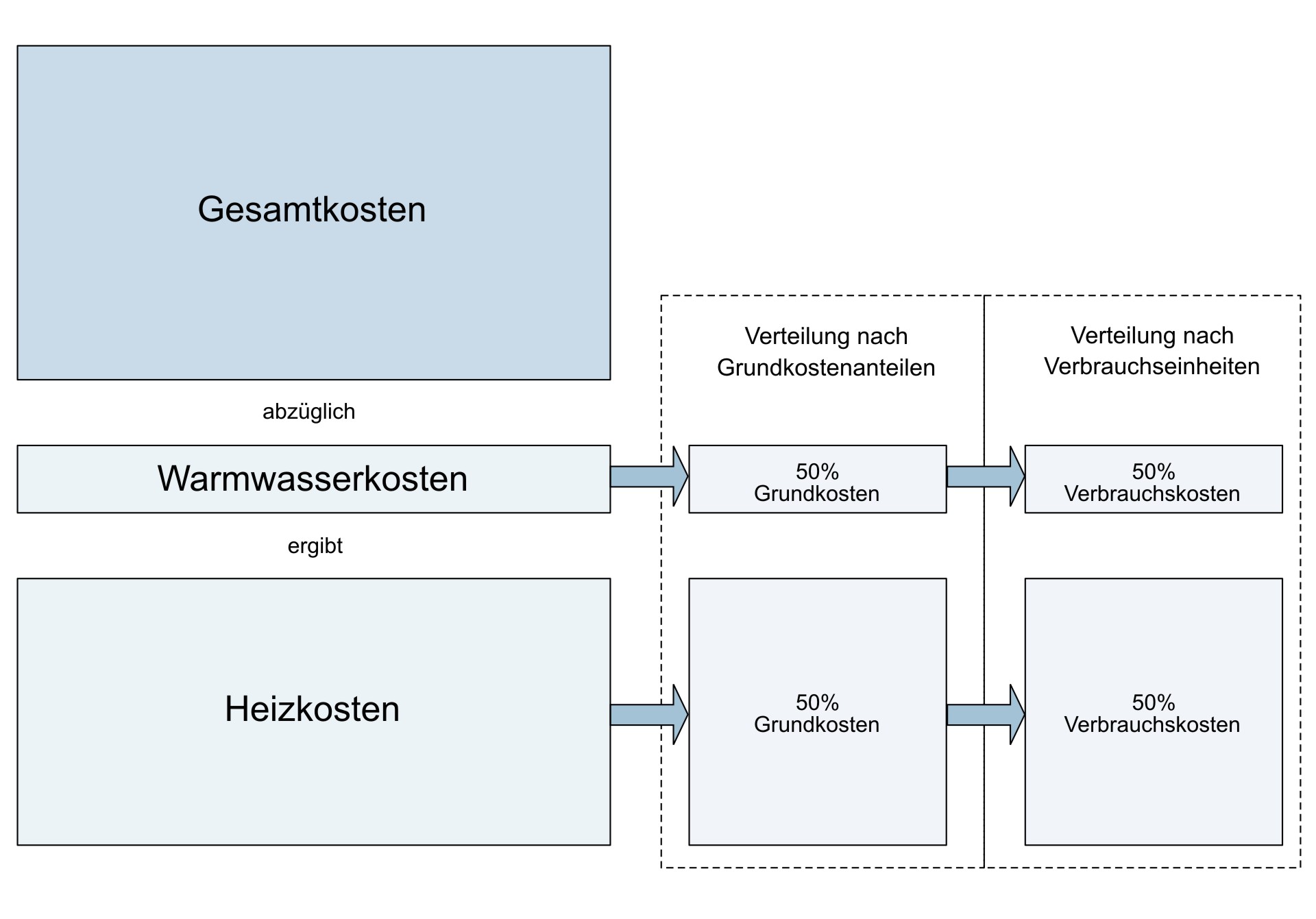
These distribution losses , which occur, for example, in long pipe systems or poorly insulated pipes, are included in the main meter but cannot be measured in the submeters. However, the heat is not lost: it contributes to the overall heating of the building and is therefore distributed proportionally among all users via the basic costs – according to the Heating Costs Ordinance, with a share of 30 to 50 percent.
Other reasons for differences in heat measurement
Structural and metrological aspects also lead to deviations:
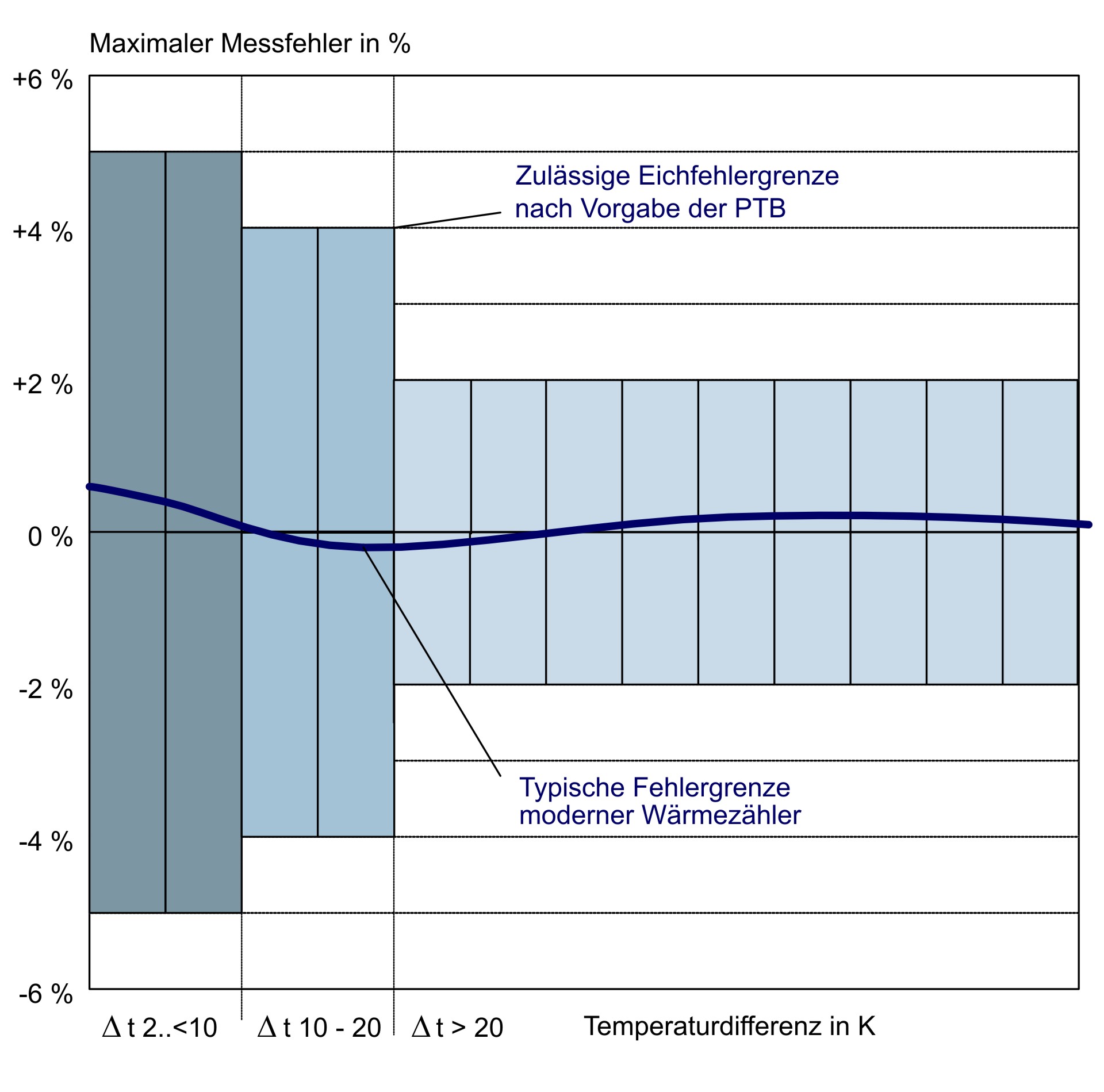
- The main meter is technically more complex and reacts more sensitively to even the smallest amounts of energy.
- Submeters in apartments may not be able to detect minimal flow rates when there are small temperature differences.
- Additionally, discrepancies arise due to estimated values when meters could not be read.
- Different meter reading dates – for example, with the energy supplier and the metering service – also lead to discrepancies.
Impact on billing
Despite these differences, there are no disadvantages for homeowners or tenants. Heat metering serves the purpose of proportional cost distribution – not the exact recording of individual consumption values. The total costs of the main meter are distributed among all users, with unmeasurable heat losses being covered by the basic cost component. Therefore, direct billing with the heat supplier's tariffs is not possible.
Conclusion
Measurement discrepancies in heat metering are technically unavoidable, but are legally regulated. The Heating Costs Ordinance ensures that all residents of a building contribute fairly to the total costs – regardless of the absolute accuracy of individual meters.
Author

Quelle: Handbuch der Wärmekostenabrechnung | Frank Peters Minol Messtechnik W. Lehmann GmbH & Co. KG, 2019
 InsideCreativeHouse – Adobestock
Always up to date
* required fields