
 nikkimeel - stock.adobe.com
The calibration of measuring instruments is legally required – without valid calibration, fines and legal problems may arise. Water and heat meters must be calibrated or replaced regularly. Heat cost allocators are exempt from the calibration requirement.
Why is the calibration of measuring instruments important?
Whether water, heat, or cold water meters – only calibrated measuring devices are permitted for billing consumption costs in buildings . This is mandated by the German Measurement and Calibration Act (MessEG) .
Some landlords are unaware that they risk high fines for violations – or that tenants are entitled to refuse payment of their utility bill if the equipment used no longer complies with calibration requirements.
Which measuring instruments are subject to mandatory calibration – and which are not?
Devices subject to calibration requirements:
- Cold water meters (since 1979)
- Hot water meter (since 1981)
- Heat meter (since 1980)
Not subject to mandatory calibration:
- Heat cost allocators (evaporative and electronic models)
→ These fall under “non-calibration-compliant measuring aid methods” (DIN EN 834 / DIN EN 835)
Understanding calibration periods and labeling correctly
- Calibration validity: 6 years for all the above-mentioned meter types (previously partly 5 years)
- The calibration mark indicates the testing facility and the calibration year.
- The expiry year of the calibration period can be directly identified from this.
What happens when the calibration period expires?
Consequences for violations:
- Fines of up to EUR 50.000 per device (§ 60 MessEG)
- Outstanding bill: Tenants may refuse payment.
- Expensive testing by certification bodies is required to prove measurement accuracy.
Who is responsible for calibration?
- In rented apartments: Owner
- In condominiums: usually Gemeinschaftseigentum, that is, the owners' association
The responsibility begins with the purchase of the device. The weights and measures office will not send a reminder – the owner must take action themselves.
The law allows no exceptions.
A resolution passed by the owners' meeting to forgo subsequent calibration is invalid . The law cannot be circumvented by voting.
The 2010 Federal Court of Justice (BGH) ruling (VIII ZR 112/10) does not fundamentally mitigate this obligation. An estimate can only be made with considerable effort and an examination of the old devices – a legally risky and expensive process.
Maintenance contracts avoid calibration stress
Two safe ways to comply with calibration requirements:
 nikkimeel – stock.adobe.com
Equipment maintenance service
Brunata Minol's maintenance service: Checking, maintaining and using devices in compliance with calibration law – worry-free & cost-efficient.
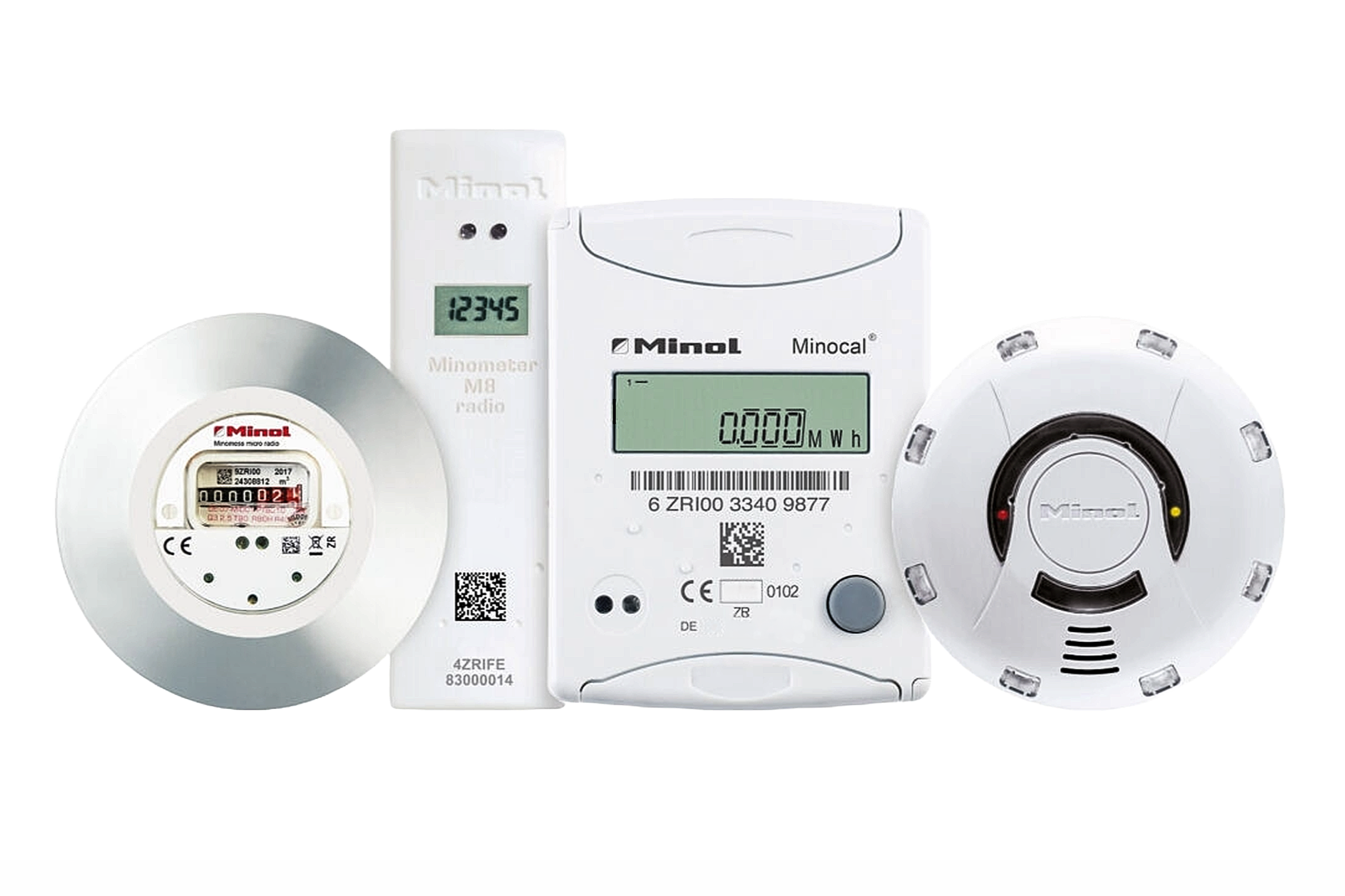
Equipment rental service
Rent heat cost allocators, heat meters, water meters and smoke detectors for rented and owned apartments and save yourself one-off investments.
Advantages:
- No deadline monitoring required
- No risk of fines
- Costs for maintenance and calibration that can be passed on to the tenants
Conclusion: Do not underestimate the importance of calibration requirements.
The calibration of measuring instruments is legally regulated and essential for legally compliant and fair billing. Ignorance is no excuse. Those who opt for maintenance contracts or equipment rental avoid legal risks and ensure maximum billing security.
Author
Quelle: Handbuch der Wärmekostenabrechnung | Frank Peters Minol Messtechnik W. Lehmann GmbH & Co. KG, 2019
 InsideCreativeHouse – Adobestock
Always up to date
* required fields