
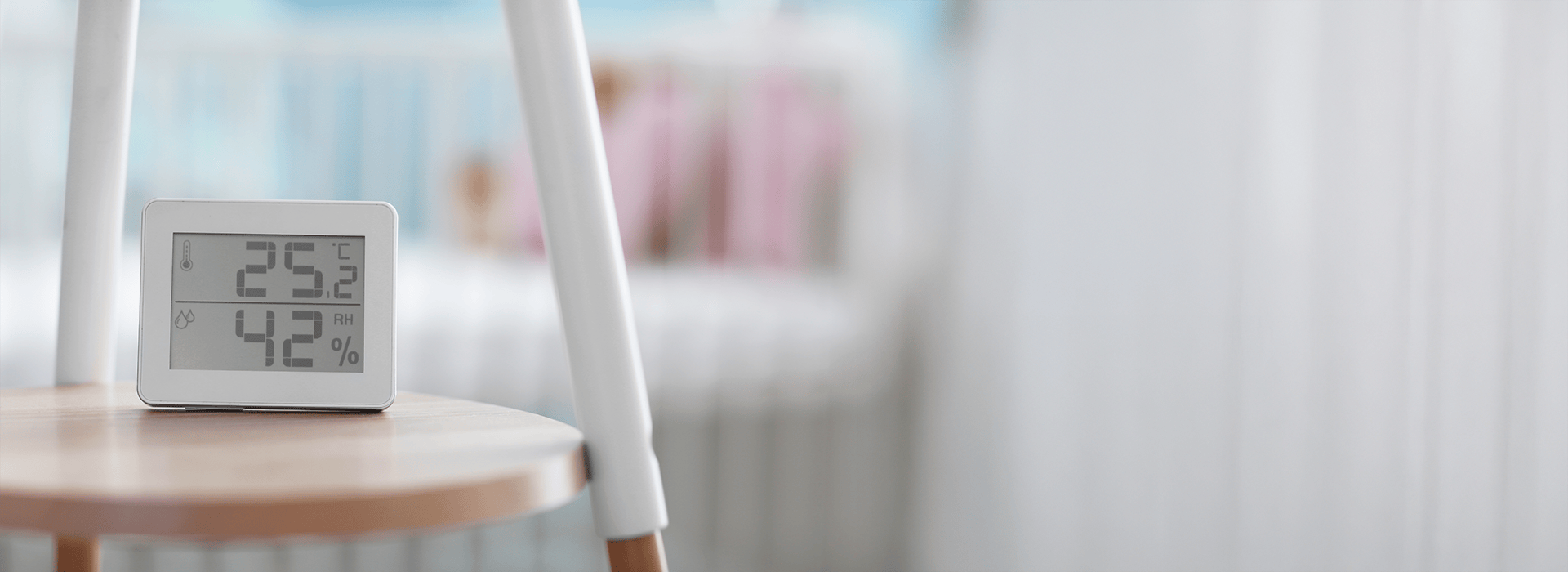
 Africa Studio - stock.adobe.com
Landlords are legally obligated to adequately heat rental apartments. Even during cold snaps outside the heating season, certain room temperatures must be maintained. Excessively low temperatures can lead to rent reductions or damage to the building structure.
Why is there a dispute about room temperatures?
Heating is a frequent source of conflict in many apartment buildings – especially in spring and autumn. While some tenants complain about cold rooms, landlords want to save on heating costs and turn the system off early. But how much can be saved without infringing on tenants' rights?
What room temperatures must landlords ensure?
 contrastwerkstatt – stock.adobe.com
Heating obligation during the heating season
- Landlords must operate the heating system in a manner customary for the locality throughout the entire heating season.
- In the absence of a contractual agreement, the heating period is considered to be from October 1st to April 30th.
- Temperatures below 18 °C are considered unacceptable.
- Tenants can generally expect daytime temperatures of 20 to 22 °C.
- A rent reduction of up to 30% may be justified if the room temperature is only 16 to 18 °C.
Tip: Room temperature is typically measured in the center of the room, about 1,5 meters above the floor – not at the wall.
Heating outside the heating season
Even outside the heating season, landlords are obligated to provide heating under certain conditions:
- Tenants can expect at least 20°C during the day; in some cases, even 22°C has been granted.
- Heating is required as soon as the outside temperature is below 12°C at 21 pm for three consecutive days.
- Health problems caused by cold should be avoided.
- If the majority of tenants complain, the heating must be turned up.
Night setback of the heating
- A nighttime temperature drop is permitted, but must not fall below 15 to 17 °C.
- The appropriate timeframe for the reduction is currently considered to be midnight to 6 a.m.
- Individual tenants with special needs cannot demand individual adjustments to heating times.
- An electric auxiliary oven can be a useful solution in such cases.
Are tenants also responsible for room temperatures?
Yes – tenants are also obliged to prevent damage caused by excessively low room temperatures:
- Heating and water pipes must not freeze.
- Mold and moisture damage must be prevented by adequate heating and ventilation.
- However, there is no prescribed minimum temperature for tenants.
Important: Even if a tenant hardly heats their home for reasons of saving money, this must not lead to higher heating costs for neighbors.
Conclusion: Room temperatures are not negotiable.
Courts consider room temperatures of 20 to 22 °C to be standard, regardless of the heating season or outside temperature. Landlords who switch off the heating too early or heat too little risk legal consequences and rent reductions.
Recommendations for landlords
- Clearly define heating times in the rental agreement.
- Check room temperatures regularly.
- Respond promptly to any complaints.
- Take transition periods into account and react flexibly to changes in the weather.
 InsideCreativeHouse – Adobestock
Always up to date
* required fields