
 Jimena Roquero/Stocksy - stock.adobe.com
Easy-to-implement suggestions for using heating energy and water sparingly
The tight supply situation and persistently high energy prices make saving energy even more important. Read on to find out how to do this with simple means for heating and hot water.
The most important immediate measures:
- Lower room temperatures; 20 degrees is usually sufficient.
- Ventilate by creating a draft
- No permanently tilted windows, not even in basements and stairwells.
- Lower the blinds in the evening
- Reduce heating in unused rooms and close doors.
- Avoid heat build-up at the radiator
Consumption-based billing of heating and water costs makes a significant contribution to energy savings. The mere presence of heat meters, heat cost allocators, and water meters can demonstrably save up to 20% on heating energy and water, even with state-of-the-art heating systems and the best thermal insulation. Billing based on consumption motivates saving, as everyone benefits financially from conscious consumption habits.
Saving energy and water affects us all and not only eases the burden on our wallets but also effectively protects the climate. There are numerous ways to save energy and water without sacrificing comfort. Below you will find some tips on using heating energy and water sparingly to conserve resources and reduce costs.
 bnenin – Adobestock
Ventilate properly
Besides heating, regular and proper ventilation is crucial. Many households make mistakes in this area, causing unnecessary energy costs.
Ventilate briefly and thoroughly, ideally with a cross breeze. Open windows or balcony doors wide for a few minutes and close the radiator valves during this time. This keeps the building structure warm, and the room will heat up again more quickly.
Avoid leaving windows permanently tilted, as this causes continuous heat loss – especially if there are radiators below the window. The most efficient way to ventilate is to open windows fully two to three times a day for five to ten minutes.
Interior vents should not be left permanently open, as warm air will escape due to the chimney effect. However, do not close them completely to ensure reliable moisture removal and prevent mold.
Heat loss through windows
Despite improved U-values, a window still doesn't provide the same insulation as a solid wall. Therefore, it's crucial to minimize heat loss through windows. As soon as it gets dark, you should lower the blinds completely or at least close the curtains, making sure not to cover the radiators. This will reduce heat loss and save a significant amount of energy. Closing the curtains and lowering the blinds simultaneously can reduce heat loss through the window by approximately 50%.
Room temperatures
Whether you feel comfortable depends on many factors, including activity level, age, and your mental and physical condition. But clothing plays a crucial role. If you want to walk around your apartment lightly dressed during the heating season, you need summer-like room temperatures of 22°C or higher. These temperatures can only be achieved in the winter months by heating – and that costs money. Every degree you lower the room temperature saves about six percent on heating energy. So, whether you're content with 21 degrees or insist on 25 degrees makes a difference of around 24 percent in your heating costs.
Over time, the heat loss from wearing warmer clothing indoors to reduce body heat loss can add up. This is especially true if you spend long periods of time inactive, such as watching television in the evening. Without movement, a room temperature above 20°C can quickly feel cool. Adjusting the radiator valve might seem like a convenient solution, but it's also expensive. Therefore, always adjust the temperature to suit the current use of the room.
space | Standard indoor temperatures according to DIN EN 12831 | Optimal values for comfort and energy savings |
|---|---|---|
Living room | 20 ° C | 20 ° C |
Bedroom | 20 ° C | 16-18 ° C |
Childrens Furniture | 20 ° C | 20 ° C |
pool | 24 ° C | 22 ° C |
Kitchen Style | 20°C | 18 ° C |
hallways | 15 ° C | 15 ° C |
Heat build-up
One of the most common mistakes when heating is covering radiators. Good air circulation is essential for a radiator to operate at its optimal efficiency. When radiators are covered with heavy curtains, furniture, or radiator covers, the heat cannot freely enter the room because the airflow is blocked. The heat becomes trapped behind these obstructions, is dissipated more readily through the exterior walls, and therefore does not circulate effectively into the room.
Heat buildup behind furniture and curtains increases heat loss through the walls and windows. Therefore, furniture and curtains should not be placed in front of radiators. Caution is also advised when installing radiator covers, as these can increase energy consumption by up to 15% depending on the design and type. Ensure that air circulation around the radiator is not obstructed.
humidity
Human temperature perception is highly individual. While one person might feel cold at 20°C, another might find it too warm. However, a general rule states that humid air is perceived as warmer than dry air. This phenomenon is well-known from muggy summer days, which, despite the same temperature, feel significantly warmer than days with drier air. It is therefore advisable to maintain healthy humidity levels. Humidifiers or houseplants are excellent for this purpose. A fully electronic humidifier is not always necessary. Most people find a relative humidity of 35-60% comfortable. This not only saves on expensive heating energy but also benefits your health and well-being. Furthermore, excessively dry air from heating systems makes most people more susceptible to respiratory infections. However, be careful that the humidity does not consistently exceed 50-60%, as this can lead to mold growth. In recent years, the number of mold-related damages has steadily increased due to excessive cost-cutting and inadequate ventilation.
Drafts and seals
If there are drafts in your apartment despite closed windows and doors, especially in older buildings, this inevitably indicates faulty seals. While this might be less of an issue in summer, it can lead to significant costs in winter. It's important to remember that plastic seals in windows and doors can become porous over time and thus leak. In such cases, replacement is urgently needed.
Unpleasant drafts under the front door can be effectively prevented with a simple weatherstripping brush, available at your local hardware store, which is attached to the bottom edge of the door. Various replacement options are also available for damaged window seals. Such small investments typically pay for themselves after just one heating season.
Thermostatic radiator valves
Thermostatic radiator valves are designed to maintain a preset room temperature. The valve opens when the temperature falls below the set value and closes when the desired temperature is reached. However, if the radiator is obstructed or covered, the thermostatic radiator valve can no longer detect the actual room temperature, but only the trapped heat. To achieve the desired room temperature, the thermostatic radiator valve must be set higher than necessary. This impairs the function of the thermostatic radiator valve, and the intended energy savings are lost. If obstruction cannot be avoided, it is advisable to keep the radiator off whenever possible or to use thermostatic radiator valves with remote sensors.
Another problem arises when thermostatic radiator valves are installed and the windows are tilted open: The cold outside air hits the thermostatic valve directly, tricking the device into thinking the room is cold. The thermostatic valve then tries to maintain the set room temperature by opening the radiator and supplying heat. However, this heat escapes back outside through the open window. It's important to note that conventional thermostatic radiator valves have a frost protection feature that opens at ambient temperatures of 6-10 °C. These temperatures can be quickly reached by the incoming cold air at the thermostatic valve. As a result, unnoticed heat loss can occur, which is then registered by the heat cost allocator.
More on this topic: How to use thermostatic radiator valves correctly?
Heating in common areas
Drying rooms, laundry rooms, and stairwells are particularly susceptible to uncontrolled heating, especially in apartment buildings where many tenants believe it doesn't cost them anything personally. However, the costs of heating these common areas are included in every resident's heating bill. Therefore, everyone should have an interest in heating these spaces efficiently.
In winter, it's important to ensure that windows in stairwells, drying rooms, or attics are not left open unnecessarily. Excessive ventilation is common, especially in laundry rooms, drying rooms, and basements, which can significantly increase heating costs for tenants in ground-floor apartments.
Nighttime temperatures
A modern heating system already has a night setback function, which is noticeable when it's not as warm in the late evening as it was during the day. Additionally, you should make sure to turn down the thermostatic radiator valves before going to bed.
If you are not at home
During extended absences, such as winter holidays, it's understandable that full heating isn't necessary. However, you shouldn't let the rooms get too cold to avoid frost damage. Furthermore, rooms that have cooled down require significantly more heating energy to reheat.
Avoid leaving windows open for extended periods while you are away. If you have thermostatic radiator valves, set them to a low setting. Otherwise, open at least one central radiator and keep all doors open. This will usually create a sufficient layer of warmth.
Unused rooms
Heat less frequently used rooms very sparingly, but at the same time make sure to keep the doors to these rooms closed. Otherwise, warm air from other living areas, especially from bathing and cooking, can carry moisture into these rooms. This moisture condenses, particularly on the cold exterior walls, and promotes the growth of mold. Therefore, it is advisable to ventilate more frequently when there is increased humidity in your apartment.
Read more: Why should you close doors to unheated rooms?
Prevention of structural damage and moisture problems
Despite all sensible efforts to save on heating costs, it is crucial not to neglect one important aspect: If you overdo it with saving, structural damage can occur, in the worst case with burst radiators or water pipes. Therefore, it is essential to maintain a minimum temperature.
Nowadays, mold growth and other moisture problems are increasingly common, attributable less to inadequate heating than to insufficient ventilation. Completely airtight windows combined with inadequate ventilation can lead to costly problems.
Especially after the renovation of older buildings, moisture problems are common, caused by the new, airtight plastic windows. Previously, the old wooden windows provided natural air exchange, so additional ventilation was hardly necessary. Now, this needs to be adjusted, which many find difficult. Even the best heating system is ineffective if the humid indoor air cannot be adequately removed.
More from our worthwhile blog
 Andrey Popov – stock.adobe.com
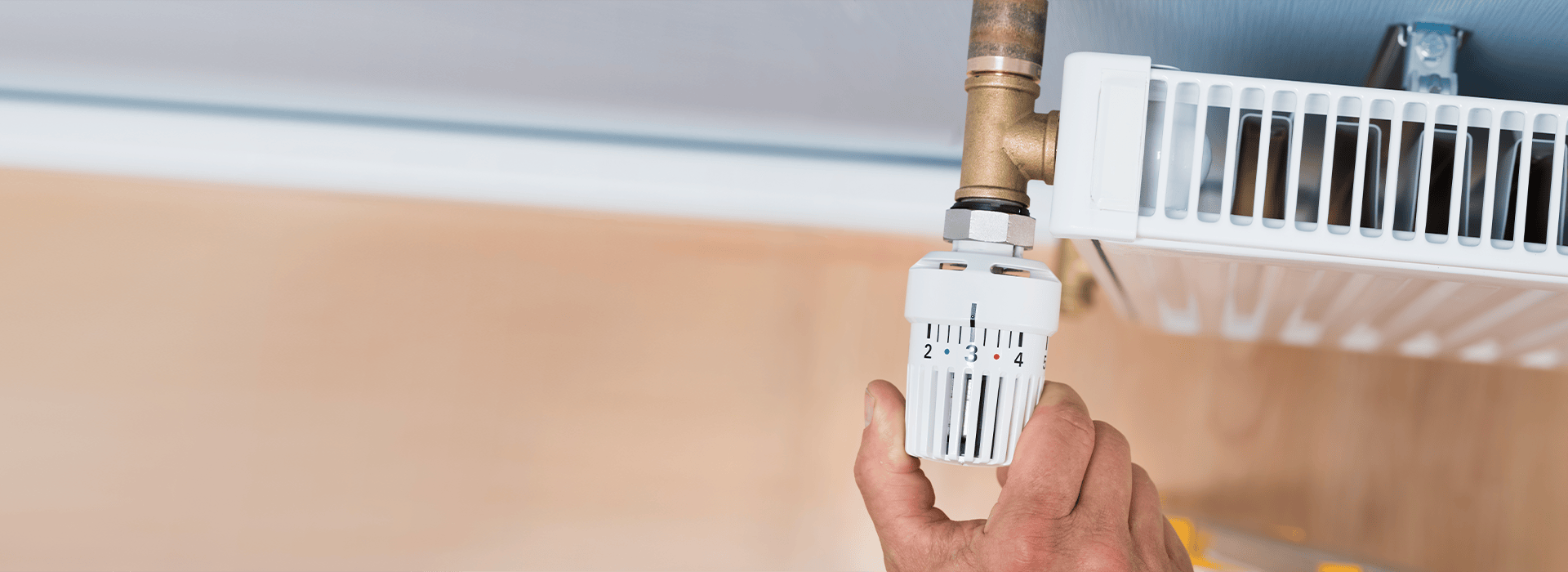
Using thermostatic radiator valves correctly
Properly adjusted thermostatic radiator valves help save energy, increase comfort and reduce heating costs – here's how.
 avirid – stock.adobe.com
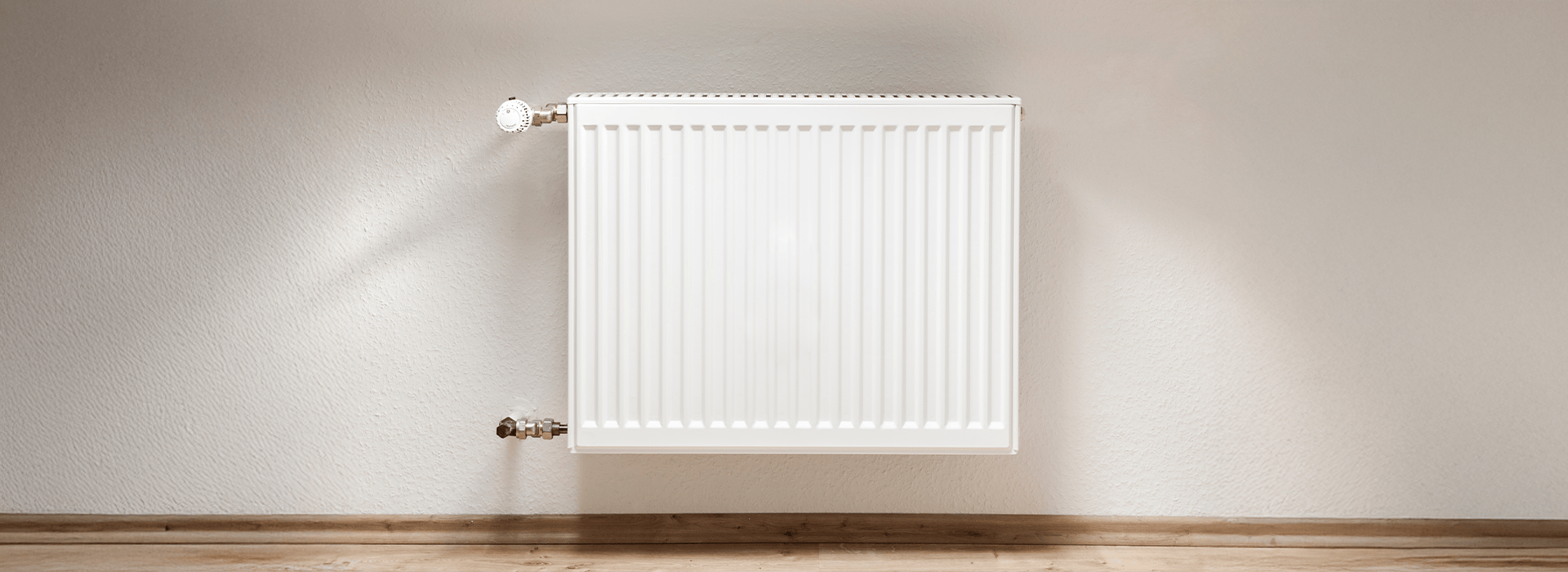
Keep radiators clear: Why this is important in winter
Keeping radiators unobstructed is crucial for efficient heating. Furniture or curtains block the heat and increase costs. Here's how to avoid heat buildup.
 Getty Images
Why are my heating costs so high?
Many tenants and homeowners ask themselves the question "Why are my heating costs so high?" when they look at their annual statement. The good news: In many cases, consumption can be significantly reduced with simple measures.
 primopiano – stock.adobe.com
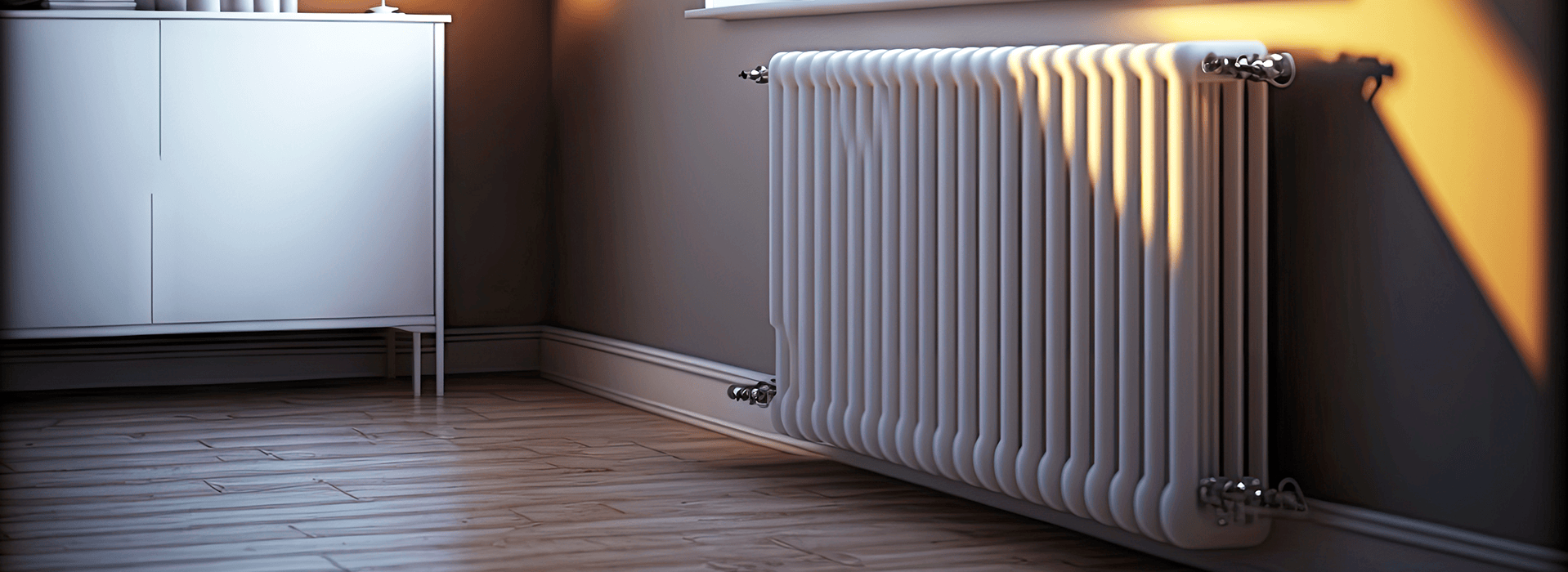
The significance of air in the radiator for heating cost billing
Air in the radiator is not only acoustically disruptive, but also affects heating performance and consumption measurement.
Author

Quelle: Handbuch der Wärmekostenabrechnung | Frank Peters Minol Messtechnik W. Lehmann GmbH & Co. KG, 2019
 InsideCreativeHouse – Adobestock
Always up to date
* required fields